Orthodontic issues are common during adolescence when permanent teeth are growing and shifting. These issues can have a significant impact on a teen’s self-esteem and oral health. Fortunately, Dr. Jones and his team at Jones Family Orthodontics specialize in correcting such problems, helping teens achieve beautiful smiles and optimal dental health. In our blog post, we will explore some of the most common orthodontic issues faced by teenagers and discuss the various ways Dr. Jones can address them.
Common Orthodontic Issues
Crowding or Spacing
Crowding occurs when there is not enough space to fit all the permanent teeth, causing teeth to overlap or twist. Spacing, on the other hand, is the opposite problem, characterized by gaps between teeth. Dr. Jones tackles crowding and spacing issues using braces or aligners. By applying gentle pressure over time, these appliances gradually move teeth into their proper positions, aligning teeth and achieving a happy smile.
Malocclusions
Malocclusions refer to irregularities in the alignment of the upper and lower jaws, causing issues such as overbites, underbites, crossbites and open bites. Misalignments are common orthodontic issues and can impact both the appearance and functionality of the mouth. Orthodontists employ various techniques to address malocclusions, including braces, headgear, palate expanders, and functional appliances. By carefully manipulating the jaw and tooth positioning, orthodontists can correct malocclusions, improving both the esthetics and functionality of the smile.
Protruding Teeth
Protruding teeth occur when the upper front teeth extend too far forward. Besides affecting appearance, protruding teeth can also increase the risk of dental injuries. Orthodontists may recommend braces or other appliances to gradually move the teeth back into a more favorable position. In severe cases, orthodontic treatment may be combined with other procedures, such as the removal of some teeth by the dentist or jaw surgery, to achieve optimal results.
Impacted Teeth
Impacted teeth are teeth that fail to emerge fully from the gums, often due to limited space or misalignment. The most commonly impacted teeth are the third molars, also known as wisdom teeth and canines are the second most commonly impacted teeth. Orthodontists can diagnose and monitor impacted teeth during routine check-ups and X-rays. Sometimes early intervention can avoid or limit the severity of impactions.
Dental Midline Misalignment
Dental midline misalignment occurs when the center of the upper and lower teeth does not align properly. This can result in an asymmetrical smile. Orthodontists may use braces, aligners, or other techniques to correct this issue, ensuring that the midline aligns with the center of the face. By addressing midline misalignment, orthodontists help create a more balanced and esthetically pleasing smile.
Treatment Options To Resolve Orthodontic Issues At Jones Family Orthodontics

Orthodontic treatment plays a crucial role in achieving a healthy, beautiful smile. Palatal expansion, braces, clear aligners, and retainers are four popular orthodontic options offered at Jones Family Orthodontics that effectively address various orthodontic issues. Each option has its unique features, benefits, and considerations.
Palatal Expansion
Palatal expansion is an orthodontic procedure designed to widen the upper jaw or palate gradually. It is commonly used to address issues related to bite misalignment, crowding, and other orthodontic problems. The expansion process involves the use of a specialized appliance, often referred to as a palatal expander, which is custom-fitted to the patient’s mouth. By applying controlled pressure to the upper jaw’s bones and sutures, this appliance encourages the gradual separation and expansion of the palate over time. Palatal expansion creates additional space in the mouth, allowing more room for alignment of the teeth, better fit of the upper and lower jaws, and the potential for improved breathing.
Benefits:
- Corrects crowded or misaligned teeth by creating additional space in the mouth
- Reduces the risk of impacted or unerupted teeth, particularly upper canines
- May improve symmetry of the jaws
- Enhances orthodontic treatment outcomes, making it more efficient
Considerations:
- Treatment duration varies depending on individual needs
- May involve some pressure during the expansion process
- Requires proper maintenance and hygiene during the treatment period
Braces
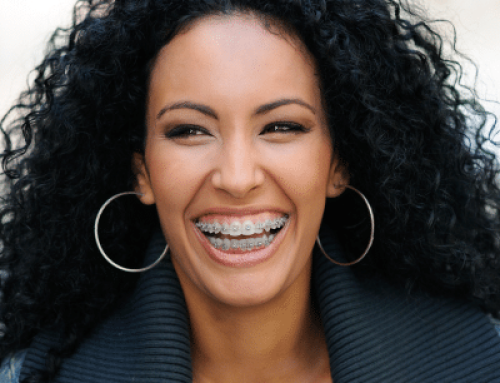
Traditional braces are a time-tested orthodontic solution that has helped millions of people achieve straighter teeth and improved oral health. They consist of metal or ceramic brackets affixed to the teeth, connected by wires and elastic bands. Braces gradually apply gentle pressure to shift teeth into their proper positions over time. They are highly versatile and can address a wide range of orthodontic issues, including crowding, spacing, overbites, underbites and cross bites. Modern braces are more comfortable and less noticeable than before, thanks to advancements in orthodontic technology.
Benefits:
- Effective for a range of orthodontic cases
- Suitable for patients of all ages
- Precise control over tooth movement
- Covered by many dental insurance plans
Considerations:
- Visible appearance
- Some food restrictions
- Extra care required during oral hygiene routine
- Regular adjustment appointments
Clear Aligners
Clear aligners are a popular alternative to traditional braces, particularly among teens and adults seeking a discreet orthodontic treatment. This system is able to improve a variety of orthodontic issues in addition to teeth straightening. They are nearly invisible, allowing patients to straighten their teeth with minimal aesthetic impact.
Benefits:
- Virtually invisible appearance
- Removable for easy eating, brushing, and flossing
- Comfortable and smooth plastic aligners
- Reduced office visits for adjustments
Considerations:
- Compliance required (aligners must be worn 20-22 hours per day)
- Requires responsible aligner care and maintenance
Retainers
Retainers are an essential component of orthodontic treatment, regardless of whether braces or clear aligners were used. After active treatment, retainers help maintain the new tooth positions, preventing them from shifting back. There are two main types of retainers: removable and fixed. Removable retainers are usually made of clear plastic or acrylic and are worn for specified periods, typically at night. Fixed retainers consist of a thin wire bonded to the back of the teeth and are a long-term solution for maintaining tooth alignment.
Benefits:
- Maintain the results achieved through orthodontic treatment
- Preserve proper tooth alignment
- Prevent relapse and shifting of teeth
- Can be customized for individual needs and preferences
Considerations:
- Compliance required for consistent wear
- Regular cleaning and maintenance
- Replacement may be necessary over time
- Communication with the orthodontist for any discomfort or fit issues
Orthodontic issues are common among teenagers, but with the help of orthodontists like Dr. Jones, these problems can be effectively addressed. Orthodontic treatment not only improves the appearance of a teen’s smile but also enhances oral health and overall well-being.
Orthodontic Issues In Teens: Contact Us Today
If your teenager is facing any orthodontic issues, request a complimentary consultation at Jones Family Orthodontics online. Dr. Jones will create a personalized treatment plan for your teen to help them achieve a healthy, confident smile!